

You’ll be surprised to know more than fifty-five major companies in the US failed to pay any taxes in 2020. Once the government crackdown starts, these firms will have to face severe tax evasion charges. You wouldn’t want to be on the list, right?
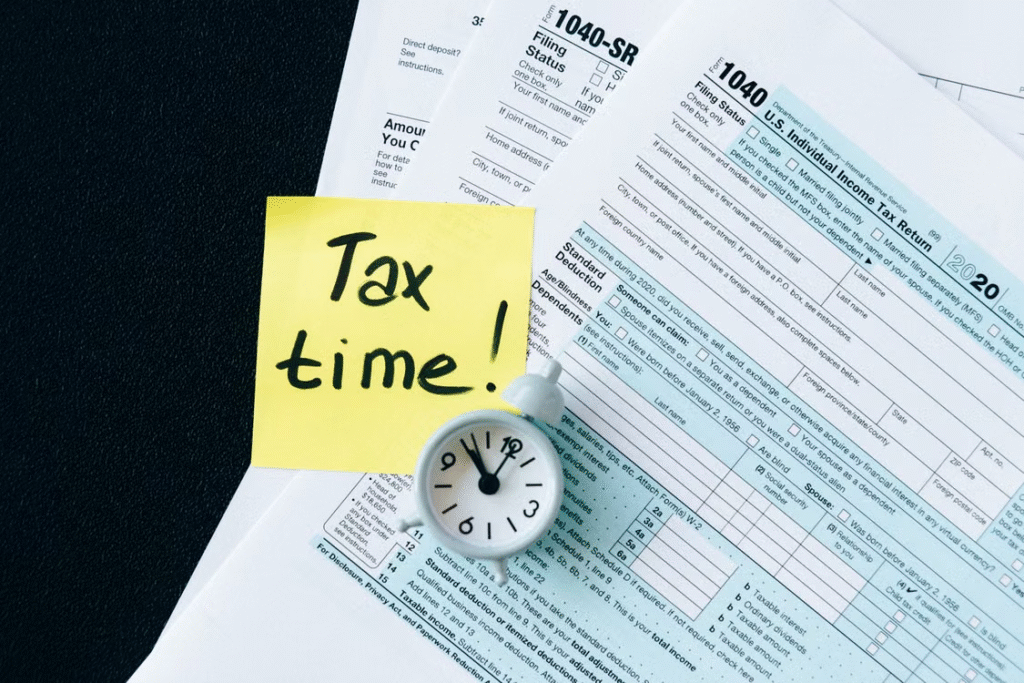
If you want to avoid any financial controversy and maintain your brand image, make sure to file business taxes on time. We understand that filing taxes can be a hassle for you. Hence, we’ve prepared this step-by-step guide to filing business taxes in the US.
Step1: Collect All Relevant Documents
If you want to ensure a smooth tax filing process, it’s better to collect all the relevant documents beforehand to prevent any last-minute hassles. Here are some of the documents you’ll need:
- Personal information of the firm owner
- Previous tax returns
- Employer Identification Number (You can find your number on the IRS website)
- Rent receipts
- Employee salaries
- Sales record
- Client invoices
- Expenses on office supplies
Handling all the documents and submitting them can be a time-consuming process. If you want to save time, we recommend hiring a certified tax accountant.
Step2: Find the Correct Tax Form
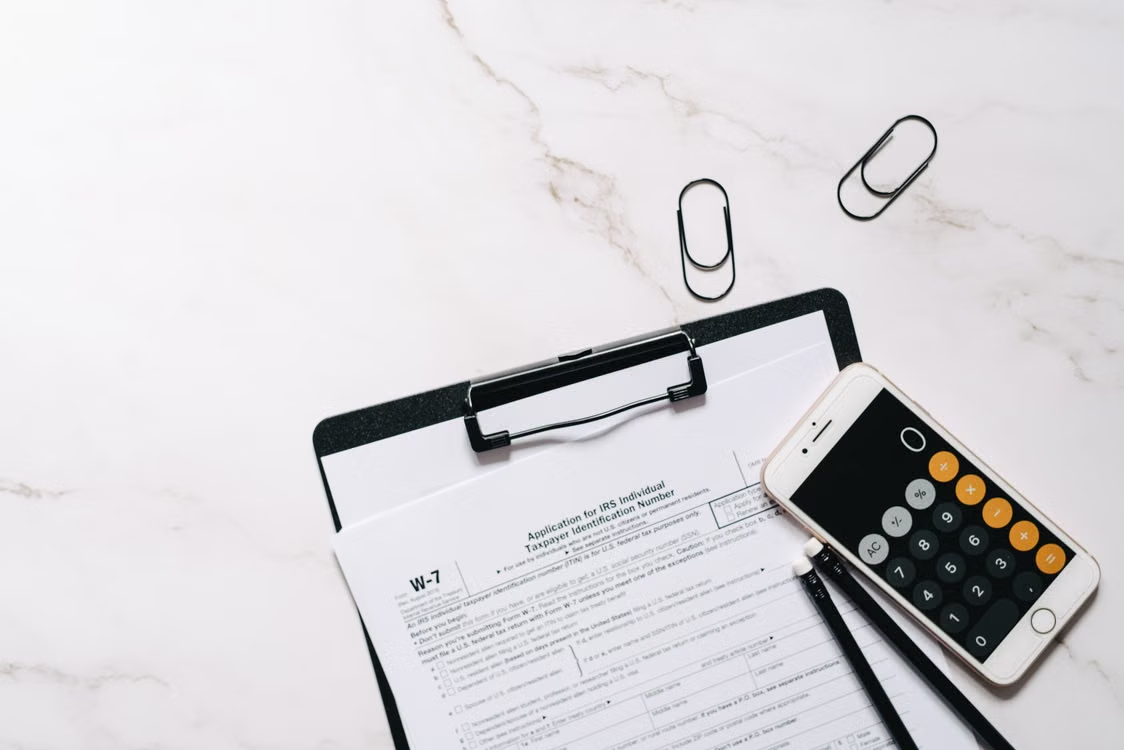
Once you’ve collected all the documents, it’s time to find the right tax form for your firm. Sole proprietorship, partnerships, S corporations, and C corporations all have different tax forms and varying document requirements. If you need guidance in selecting the right tax form, work with tax accountants.
Step3: File Taxes Online or Physically
Yes, filing taxes physically can be a massive hassle. Luckily, the IRS provides businesses with an option to file taxes online. With the online tax payment system, you don’t have to fill out the lengthy forms physically, and your application also gets processed quickly.
Also, with an online tax application, the IRS can electronically transfer your tax refunds to your firm’s bank account. Understanding the physical and online tax process can take an eternity, which is why it’s better to hire tax advisors to guide you accordingly.

Experienced Tax Accountants Available In The US
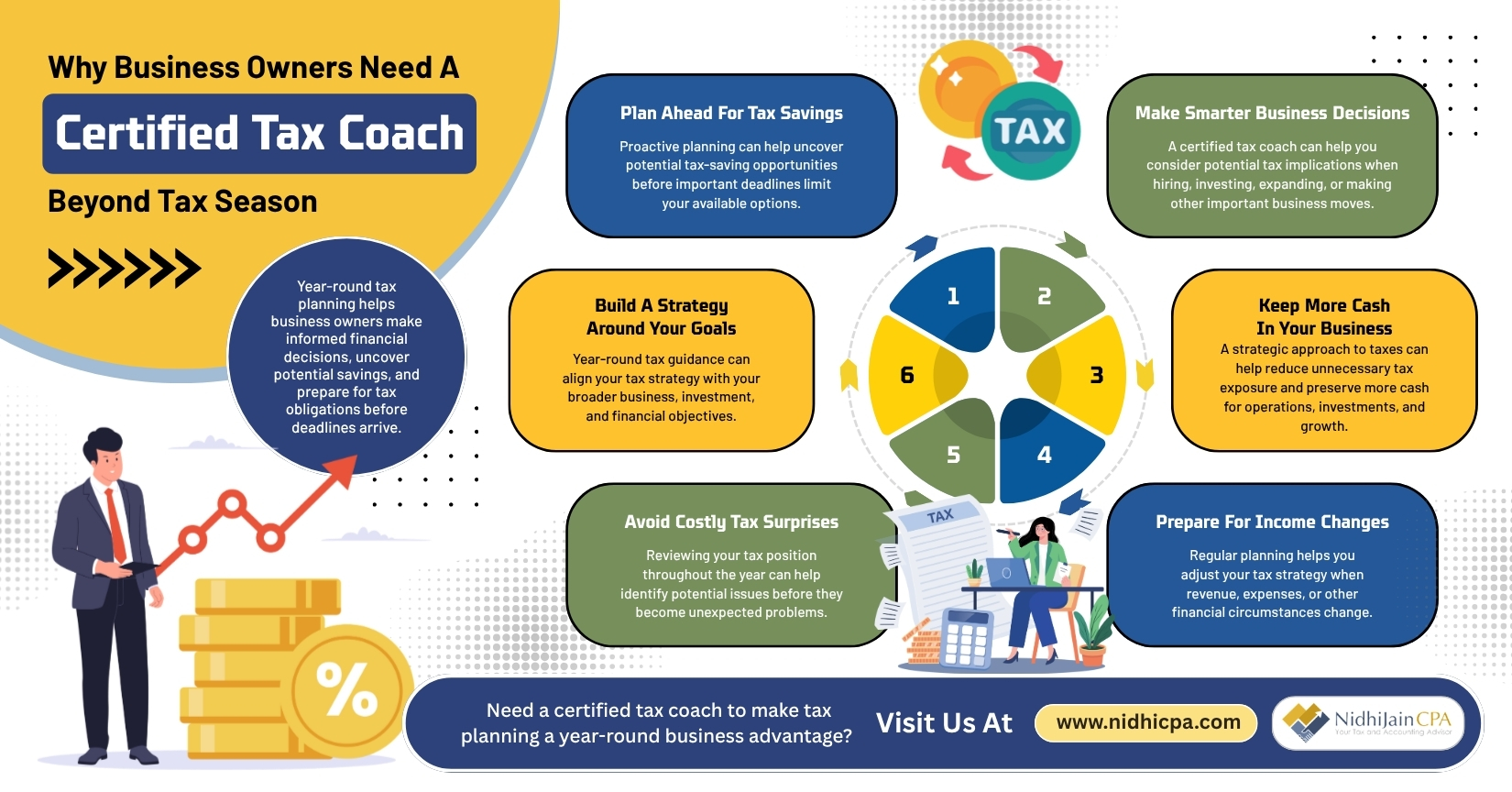
Filing timely business taxes can be a hassle, which is why we recommend you hire certified accountants from Nidhi Jain CPA. Our tax advisors can handle all the paperwork for you and plan your business tax payments which can help you save money.
Our certified public accountants also provide a wide range of other services, including bay area bookkeeping and accounting, business formation, IRS representation, and personal and business tax filing in Bay Area.
You can reach out to us here for more details.